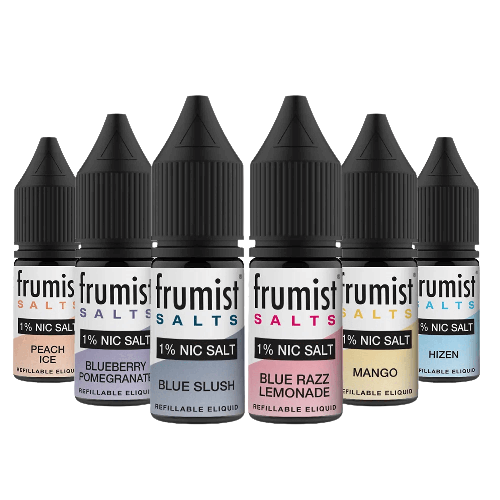


For adult smokers exploring alternatives to traditional cigarettes, heat-not-burn products, vaping and nicotine pouches use three different nicotine-delivery approaches. Heat-not-burn products heat tobacco to create an aerosol, vaping devices heat e-liquid, and nicotine pouches release nicotine through the mouth without inhalation. None is risk-free, and the healthiest option remains to stop using tobacco and nicotine; for smokers who do not quit immediately, understanding the differences between these product categories can help them make a more informed choice. [1][2]
What Are Heat-Not-Burn Products?
Heat-not-burn products, also called heated tobacco products (HTPs), are designed to heat processed tobacco instead of burning it. The device generates an aerosol containing nicotine and other chemicals that the user inhales.
This is different from a conventional cigarette, where combustion produces smoke containing thousands of chemicals. However, heating tobacco does not make it harmless. The World Health Organization states that HTP emissions contain toxic substances, and current evidence is not conclusive that HTPs are less harmful than conventional cigarettes. Some toxicants can be lower than in cigarette smoke, while others may occur at similar or higher levels. [1][3]
HTPs vary in tobacco preparation, heating method and aerosol composition, so findings from one system should not automatically be applied to every HTP. [1][3]
How Does Heat-Not-Burn Compare With Vaping?
The central difference in heated tobacco vs vaping is the material being heated. Heat-not-burn devices heat tobacco; vape devices heat an e-liquid, typically containing nicotine, propylene glycol and/or vegetable glycerine and flavourings.
Heated tobacco generally retains more of a tobacco-like experience, while vaping offers a wider range of devices, e-liquids, nicotine strengths and flavours.
The evidence base for smoking cessation is also different. The 2025 Cochrane living systematic review found high-certainty evidence that nicotine e-cigarettes increase smoking quit rates compared with nicotine replacement therapy. The same evidence base does not establish an equivalent cessation benefit for heated tobacco products. [4]
Vaping is not harmless, and its long-term health effects remain under study. Its role in cessation should not be confused with a claim that vaping is safe. [2][4]
TEREA: One Example of a Heated Tobacco Product
TEREA is a specific example of the heated tobacco category. According to the manufacturer, TEREA tobacco sticks are designed exclusively for IQOS ILUMA devices, which heat the tobacco rather than burning it. [5]
This means TEREA should not be classified as a vape product: it contains tobacco and is used with a dedicated heated tobacco system. Mentioning TEREA in a wider heat-not-burn comparison is therefore useful as a concrete example, but evidence about one branded product should not be treated as evidence about every HTP on the market.
For more information about IQOS HEETS availability and alternatives in Malta, see our dedicated guide.
Nicotine Pouches: A Different Delivery Method
Nicotine pouches take a different approach altogether. A pouch is placed between the lip and gum, where nicotine is absorbed through the oral tissues. They do not require combustion or inhalation and generally do not contain tobacco leaf.
Their key difference from vaping and heated tobacco is the absence of inhalation. Tobacco-free does not mean risk-free: nicotine remains addictive and long-term effects are still being studied. [2][6]
The evidence for nicotine pouches as a smoking-cessation tool is currently limited. A 2025 Cochrane review found limited evidence for cessation or reduction of cigarette use and concluded that more research is needed. [6]
Heat-Not-Burn vs Vaping vs Nicotine Pouches
| Feature | Heat-Not-Burn | Vaping | Nicotine Pouches |
|---|---|---|---|
| Tobacco | Yes | No | No |
| Combustion | No | No | No |
| Inhalation | Yes | Yes | No |
| Nicotine | Yes | Usually | Yes |
| Aerosol | Yes | Yes | No |
| Primary material | Heated tobacco | E-liquid | Nicotine pouch |
| Smoking-cessation evidence | Limited | Stronger evidence | Limited / emerging |
Which Is Better: Heated Tobacco, Vaping or Nicotine Pouches?
There is no universal winner because the products are not equivalent. The relevant question is what an adult user is trying to achieve: leave combustible cigarettes, reduce inhalation, maintain a tobacco-based experience, or choose a different way to consume nicotine.
For adult smokers who want to quit, nicotine e-cigarettes currently have stronger clinical evidence for cessation than heated tobacco or nicotine pouches. For adults who want to avoid inhalation, nicotine pouches use a different route of administration. Heated tobacco may appeal to people who prefer a tobacco-based format and cigarette-like ritual. [4][6]
A key distinction is complete switching versus dual use: continuing to smoke while using another nicotine product is not the same as moving completely away from combustible tobacco.
Real-World Evidence: The Swedish and UK Models
Beyond clinical trials, national-level data from countries that have embraced safer nicotine alternatives offer a useful real-world picture. A 2025 report from public health experts, The Safer Nicotine Revolution: Global Lessons, Healthier Futures, reviewed outcomes in several countries that integrated these products into their public health approach. [9]
Sweden. Sweden is the only EU member state where snus is legally sold, and nicotine pouches are also widely available there. According to the report, Sweden has brought smoking down to around 5.3%, the lowest rate in Europe, alongside significantly lower lung cancer death rates among men and lower overall cancer mortality compared with the EU average. The report credits the wide availability of snus and nicotine pouches as a central factor, and notes Sweden is on track to become the first officially smoke-free nation. [9]
United Kingdom. The UK has taken a comparable approach with vaping, formally incorporating e-cigarettes into NHS stop-smoking services. The same report states that UK smoking rates have fallen from roughly 20% in 2011 to around 12% today, with millions of adult vapers, more than half of whom have fully quit smoking, and it projects substantial reductions in smoking-related premature deaths over the coming decades. [9]
Together, these two examples illustrate a broader pattern: when safer nicotine alternatives are made accessible and are supported by clear public health policy, smoking rates can fall faster than through cessation efforts based on abstinence alone. It is worth noting this report was produced by advocacy and public health researchers rather than a peer-reviewed clinical journal, so it should be read as real-world policy evidence that complements, rather than replaces, the clinical cessation data discussed above.
What About These Products in Malta?
Malta regulates tobacco and related products under Subsidiary Legislation 315.10. The Maltese Department of Environmental Health states that manufacturers and importers of tobacco products, electronic cigarettes and refill containers must notify the competent authority before placing relevant products on the national market. [7]
Malta also introduced a specific fiscal and compliance framework for nicotine pouches in 2026, including excise-duty and stamping requirements. [8]
Rules can change, so Malta-based consumers should check current requirements and buy from reputable, compliant retailers. Businesses should verify notification and import requirements before marketing products in Malta.
Frequently Asked Questions
Are heat-not-burn products the same as vapes?
No. Heat-not-burn products heat tobacco, while vaping devices heat e-liquid. Both avoid conventional cigarette combustion, but they use different materials, technologies and delivery systems. [1][4]
Are heat-not-burn products safer than cigarettes?
Current evidence does not allow a general conclusion that heat-not-burn products are safer than conventional cigarettes. Some toxicants may occur at lower levels, but others can be similar or higher, and the long-term health implications remain uncertain. [1][3]
Is TEREA a vape product?
No. TEREA is a line of heated tobacco sticks designed for IQOS ILUMA devices. The system heats tobacco rather than using e-liquid as a vape would. [5]
Are nicotine pouches risk-free because they do not involve inhalation?
No. Nicotine pouches avoid inhalation, but they still deliver addictive nicotine and their long-term health effects are not fully established. Evidence for using them to quit smoking is also currently limited. [2][6]
Which of these products has the strongest evidence for helping smokers quit?
Among the three categories discussed here, nicotine e-cigarettes currently have the strongest clinical evidence for smoking cessation. The 2025 Cochrane review found high-certainty evidence that nicotine e-cigarettes increase quit rates compared with nicotine replacement therapy. [4]
What do the Swedish and UK experiences show?
Both countries show large national falls in smoking prevalence following the wide availability of alternatives, snus and nicotine pouches in Sweden, and vaping in the UK, especially where these products were backed by clear public health policy, such as the NHS’s support for vaping. [9]
Conclusion
Heat-not-burn products, vaping and nicotine pouches are distinct nicotine categories. Heated tobacco products heat tobacco, vaping heats e-liquid, and nicotine pouches deliver nicotine orally without inhalation. For adult smokers, the strongest evidence among these three for smoking cessation currently concerns nicotine e-cigarettes, while evidence for heated tobacco and nicotine pouches remains more limited. [4][6]
Real-world national data from Sweden and the UK add further, complementary evidence that smoking rates can fall substantially where safer alternatives are made accessible and supported by public health policy. [9]
For Malta-based consumers, understanding the differences in tobacco content, nicotine delivery, inhalation, evidence and regulation is more useful than asking which product is simply ‘best’. The healthiest choice remains to stop using tobacco and nicotine altogether.
Reliable Sources & References
1. World Health Organization (WHO) – Tobacco and nicotine (26 June 2026). https://www.who.int/news-room/fact-sheets/detail/tobacco
2. World Health Organization (WHO) – Effects of tobacco on health (19 May 2025). https://www.who.int/europe/news-room/fact-sheets/item/effects-of-tobacco-on-health
3. World Health Organization – Heated tobacco products: summary of research and evidence of health impacts (2023). https://www.who.int/publications-detail-redirect/9789240042490
4. Cochrane – Electronic cigarettes for smoking cessation (2025 living systematic review). https://www.cochrane.org/evidence/CD010216_can-electronic-cigarettes-help-people-stop-smoking-and-do-they-have-any-unwanted-effects-when-used
5. IQOS – TEREA tobacco sticks for IQOS ILUMA (manufacturer information). https://www.iqos.com/gb/en/discover-heated-tobacco/terea-flavours.html
6. Cochrane – Oral nicotine pouches for smoking cessation (2025 review). https://www.cochrane.org/evidence/CD016220_what-are-benefits-and-risks-oral-nicotine-pouches-when-used-help-people-stop-smoking-vaping-nicotine
7. Malta Department of Environmental Health – Tobacco and related products notified under S.L. 315.10 (updated 7 April 2026). https://environmentalhealth.gov.mt/en/ehs/tsur/tpdr/tobacco-and-related-products-notified-under-sl315-10/
8. Government of Malta – Explanatory Notes: Excise Duty framework for nicotine pouches (2026). https://www.gov.mt/en/Government/DOI/Government%20Gazette/Government%20Notices/Documents/MFIN%20Explanatory%20Notes%20Gaz%206.2.pdf
9. Smoke Free Sweden – Safer nicotine alternatives are transforming public health: New report (18 September 2025), citing ‘The Safer Nicotine Revolution: Global Lessons, Healthier Futures’. https://smokefreesweden.org/2025/09/18/safer-nicotine-alternatives-are-transforming-public-health-new-report/